Impact of Infrastructure Projects in Bangalore (2026–2027)
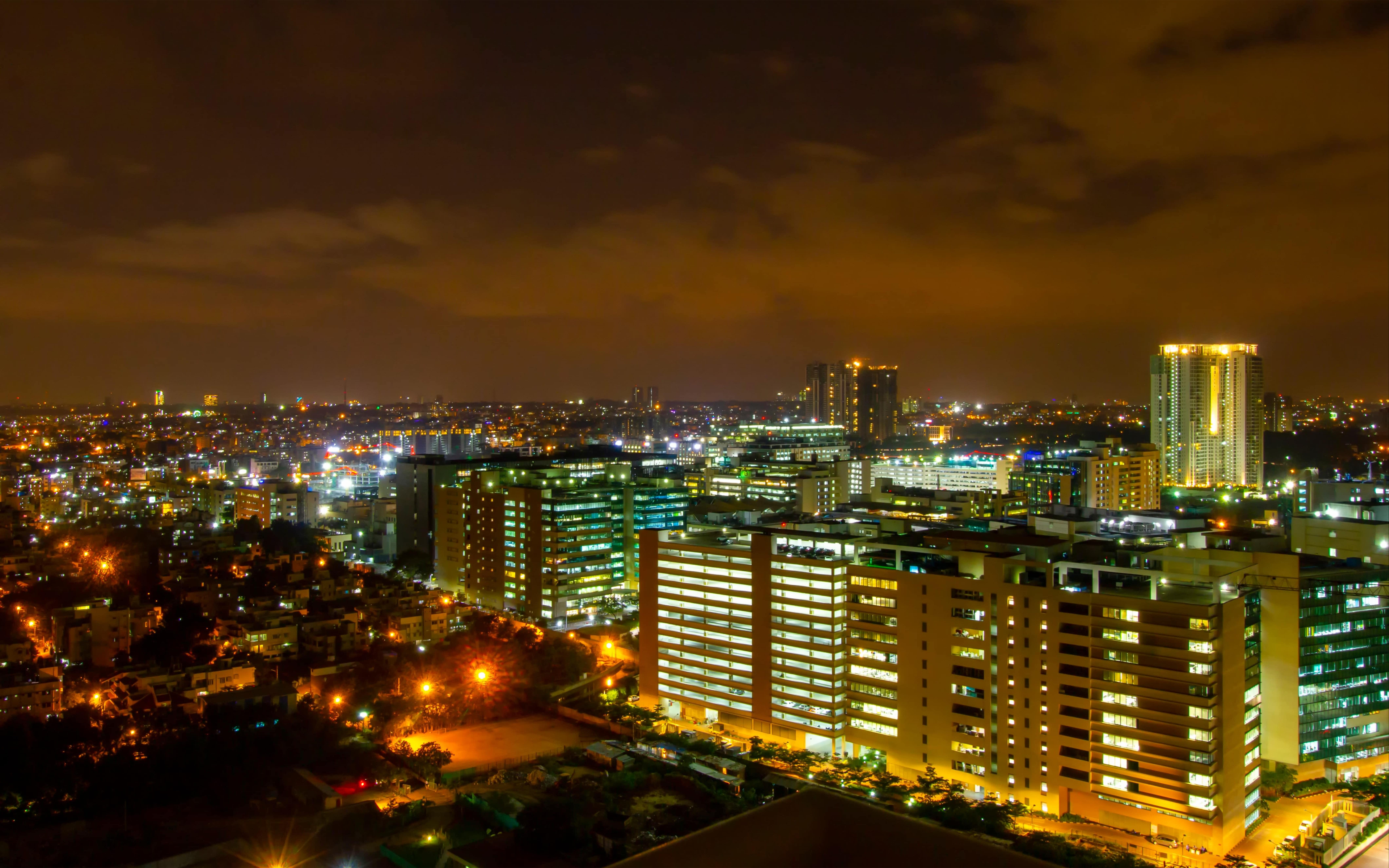
Bangalore’s infrastructure overhaul in 2026–2027 is the city’s most significant transformation to date, pivoting to overlapping transit layers and multi-billion-dollar investments to ease congestion and decentralize growth.
i. Key Infrastructure Drivers
- Bengaluru Business Corridor (PRR): The ₹10,000 crore, 117-km ring road connecting Tumakuru Road and Mysuru Road aims to divert heavy traffic and serve as a new urban expansion lifeline.
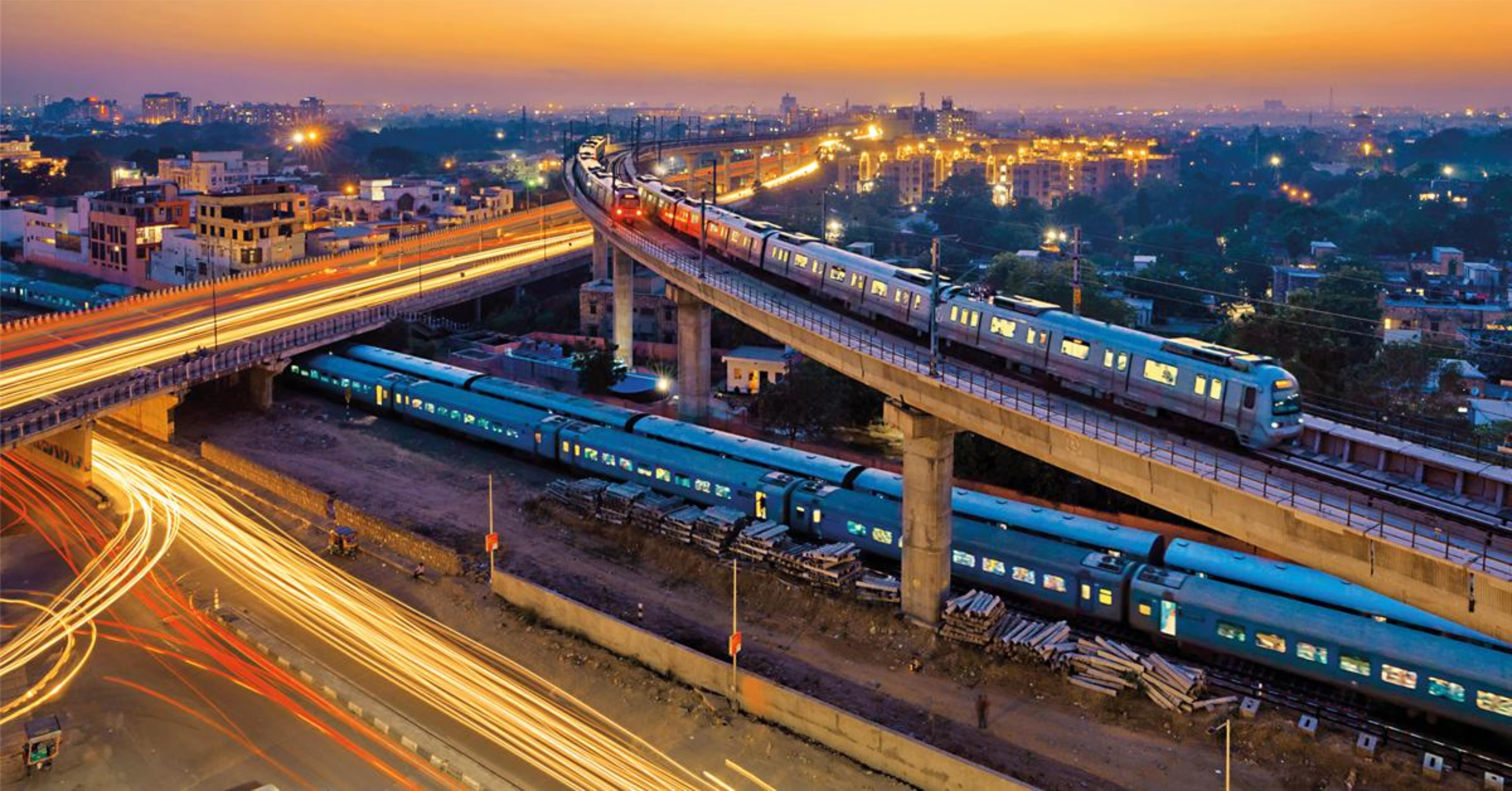
- Metro & Rail Expansion: Phased rollouts of Namma Metro Phase-3, Phase-2A/2B (Blue Line connecting Silk Board to Kempegowda International Airport), and Bengaluru Suburban Rail Project (BSRP) corridors.
- Overhead Networks & Tunnels: The city is approving ₹40,000 crore for 75 km of multi-layered overhead networks and an East-West tunnel route to create signal-free corridors.
- Road Resurfacing & Flyovers: A ₹2,000 crore initiative to resurface major roads, along with KRDCL projects such as the Varthur Kodi Elevated Corridor, targeted for completion by 2027.
- Sustainability & Utilities: Addition of 26 new Sewage Treatment Plants (STPs) to process 470 MLD of water, reducing tanker dependency, along with Phase VI Cauvery drinking water pipelines for peripheral areas.
ii. Micro-Market Impacts & Real Estate
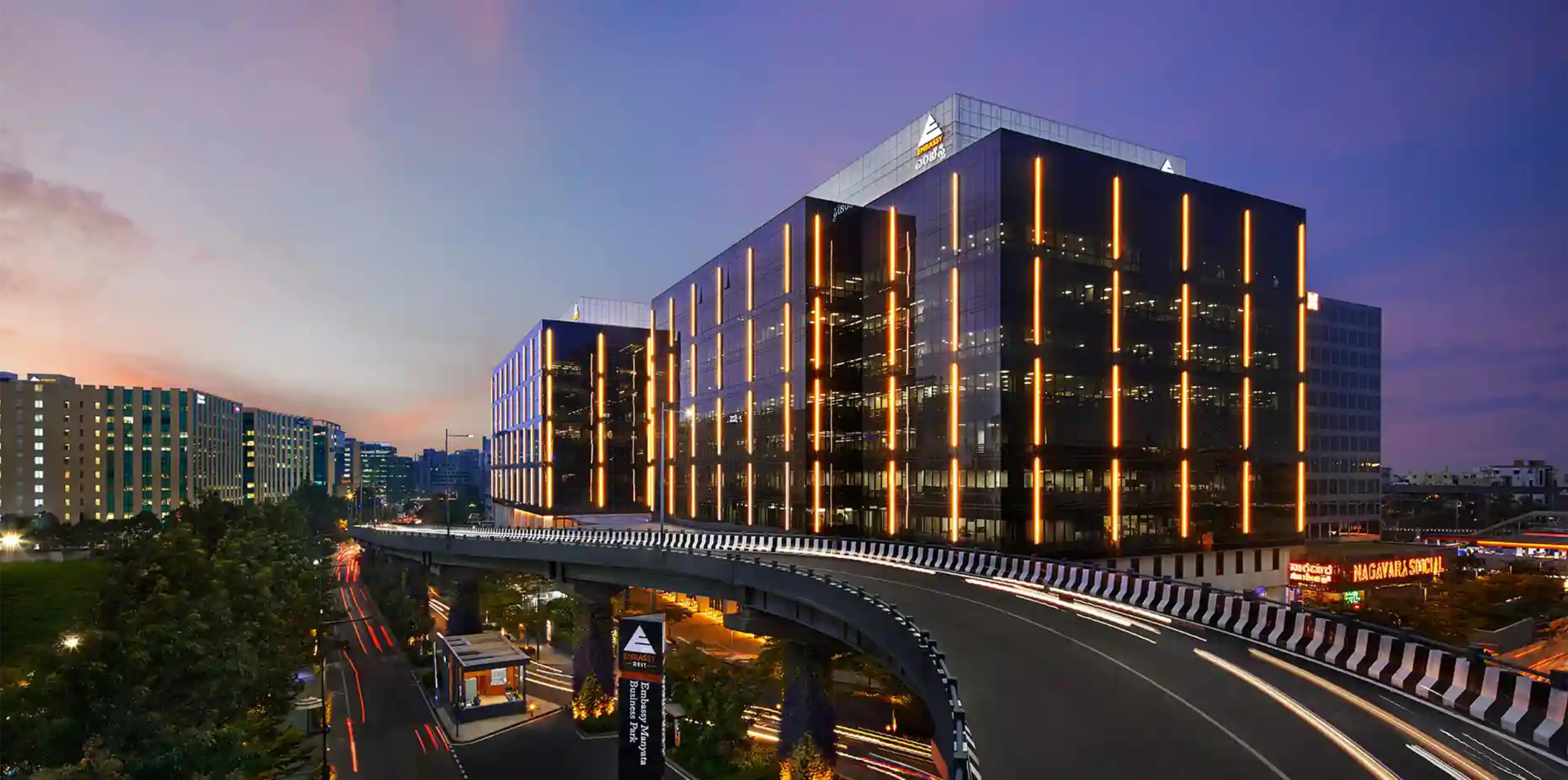
- North Bangalore: Driven by Kempegowda International Airport expansion, the Blue Line Metro, and the Satellite Town Ring Road (STRR), this zone has become a thriving work-live-play district.
- East Bangalore (Whitefield / Sarjapur): The operational Yellow Line and ongoing road projects are easing traffic bottlenecks, resulting in steady property appreciation as last-mile connectivity improves.
- Peripheral Satellites (Hoskote & Devanahalli): Infrastructure projects such as the Bengaluru–Chennai Expressway are transforming previously less-connected areas into highly desirable industrial and residential hubs.